About Us
1960s
Roots
The current Manson Guitar Works facility can trace its roots all the way back to the 60s when Hugh’s brother, Andy Manson, decided to build his first acoustic guitar aged just 17. Andy later studied at the London College of Furniture in 1968/69 where lectures in the science of soundboards became of particular interest.
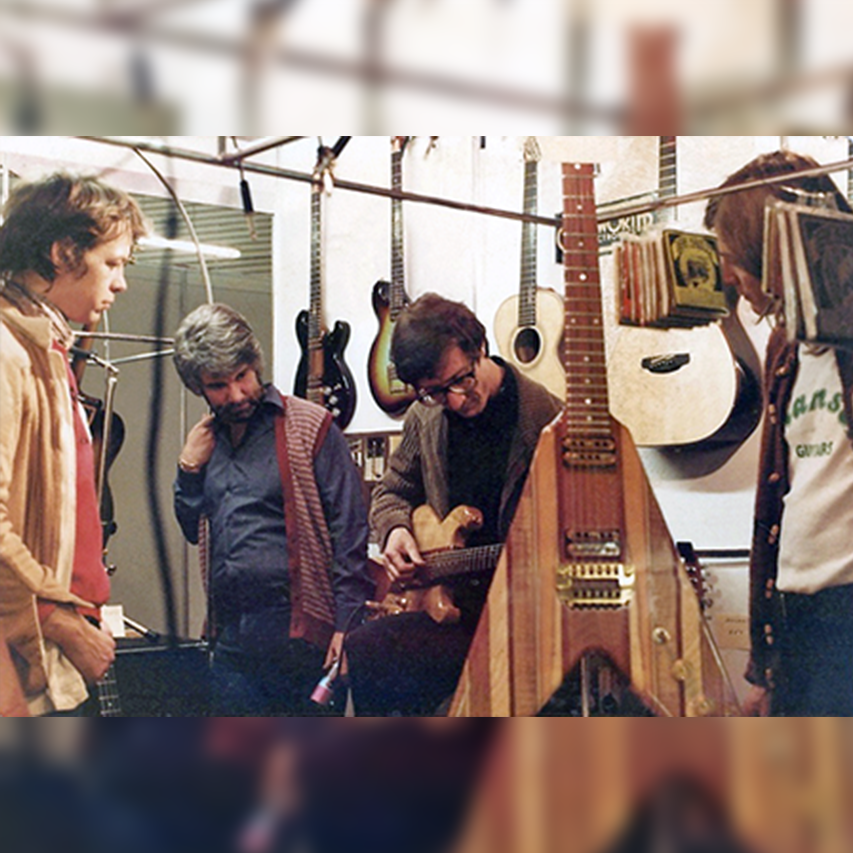
Shown in this photo are visitors to the Manson Guitars stand at an exhibition in London sometime in the late 70s/early 80s. Andy (far left) is checking out Hank Marvin's latest riffs, while Hugh looks on.
1960s
Brothers in Craft
Andy developed his passion into a guitar repair/building business specialising in acoustic instruments such as mandolas, bouzoukis, and other folk instruments. It wasn’t long after this that Andy’s younger brother Hugh joined the scene deciding to specialise in the electric side of guitar making. This was to become the first foundations of the current Manson Guitar Works.
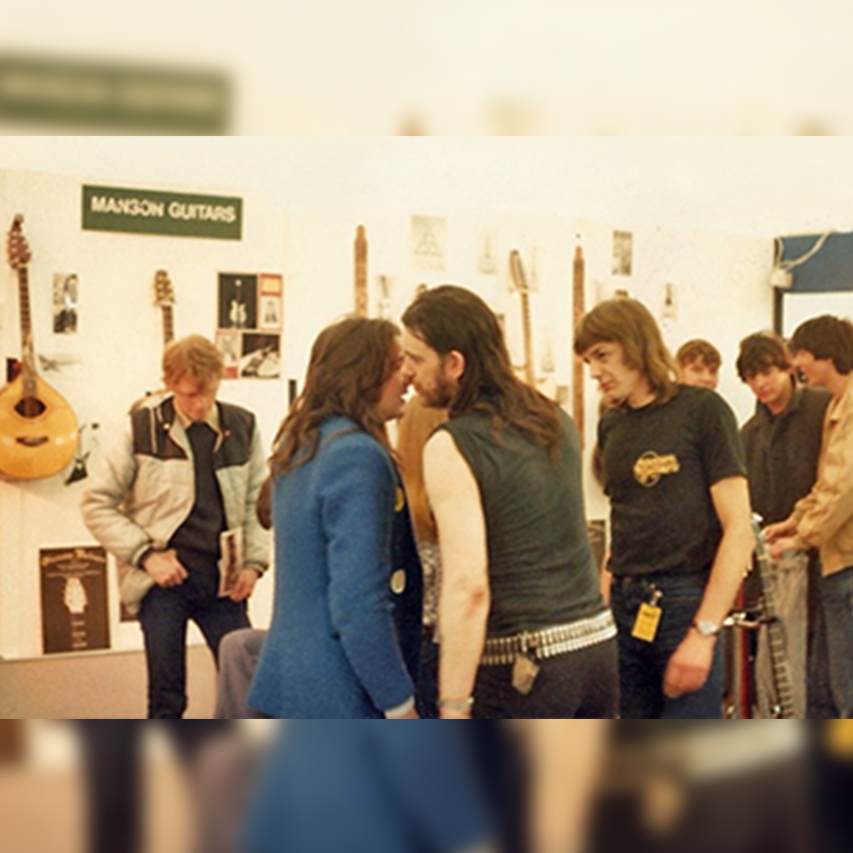
Also shown in this photo: Hugh listening to the gravelly voice of Motörhead’s Lemmy at the same exhibition.
1970s
Kestrel and Merlin
The new alliance, based in Crowborough in Sussex, was turning out various custom one-off instruments alongside a more production-based line. In the electric range that forms part of the Works' history these semi-custom models were called the Kestrel and Merlin Series. Even in its earliest incarnation Manson Guitars focused on one-off customs alongside a more production-based range — an M-series in effect — just like the current structure today.
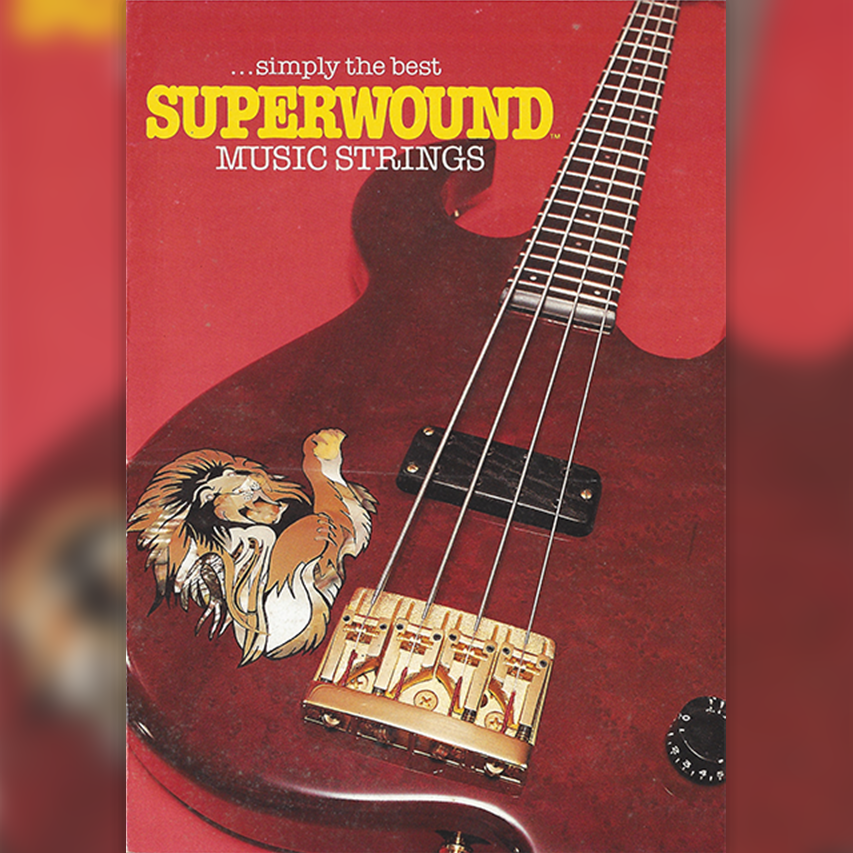
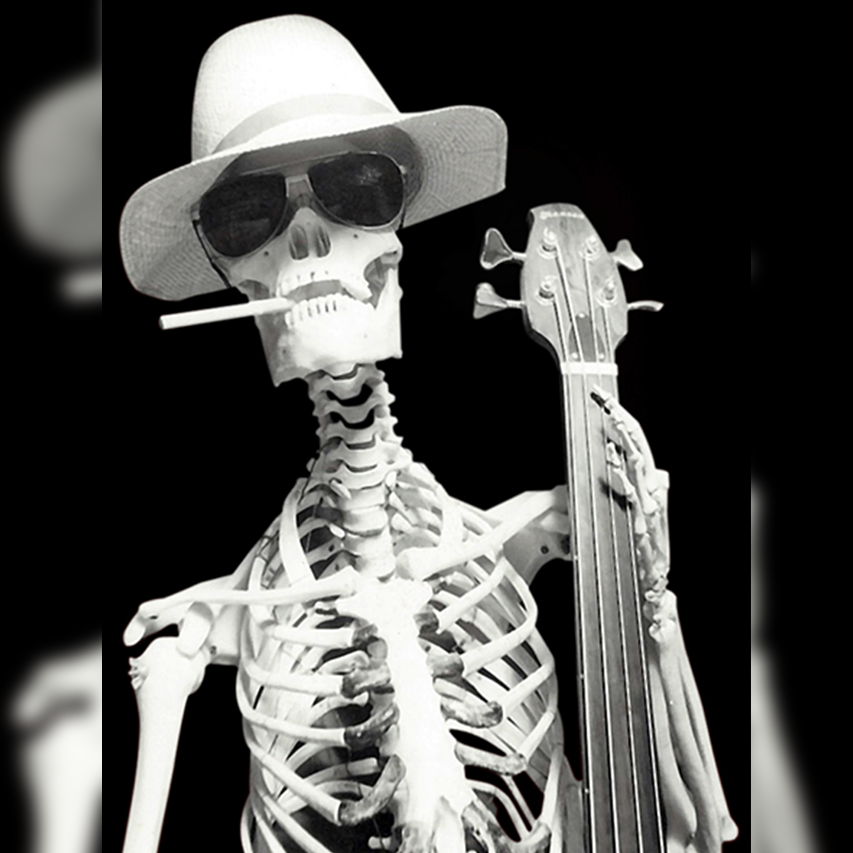
A great example of a full custom is the bass guitar produced for British string company Rotosound, with the company's trademark roaring lion as part of the inlay work. The bass-wielding skeleton seems to appear on several pages of Manson Guitars images! No-one seems quite sure why when quizzed today.
1970s
Production Customs
The 1970s was a decade of development, the very earliest Merlin guitars harking back to the very late seventies. It wasn’t long before customer needs were refined into two categories; those that demanded an extreme one-off design that could allow the player to perform music that no other guitar could, and those that saw the value of a UK designed guitar that could be up-specced with a series of options to give what we now like to call a ‘production custom’. Various slogans and logos appeared during this time as well as dozens of press reviews praising the quality and craftsmanship of the guitars. The company slogan of the late seventies and early eighties promoted the values of quality, experience and value — “If you care about your music, you care about your guitar, so don’t settle for second best. MOVE UP TO A MANSON!”
1980s
Expansion and Change
The eighties was a period of both massive expansion and great change in the Manson Guitars world. A new slogan — GUITARS FROM THE WOOD — appeared with a tweaked logo. A book of recorded serial numbers for each and every guitar that was produced shows the company at this time had a full order book and a diverse range of instruments in production. During the early years of the decade there were a great number of international artists with instruments either in build or under discussion. Notes and phone numbers can be found for builds and repair work from John Paul Jones, Jack Bruce, Jeff Beck, punk bands such as Anti-Nowhere League, and session players such as John Currie.
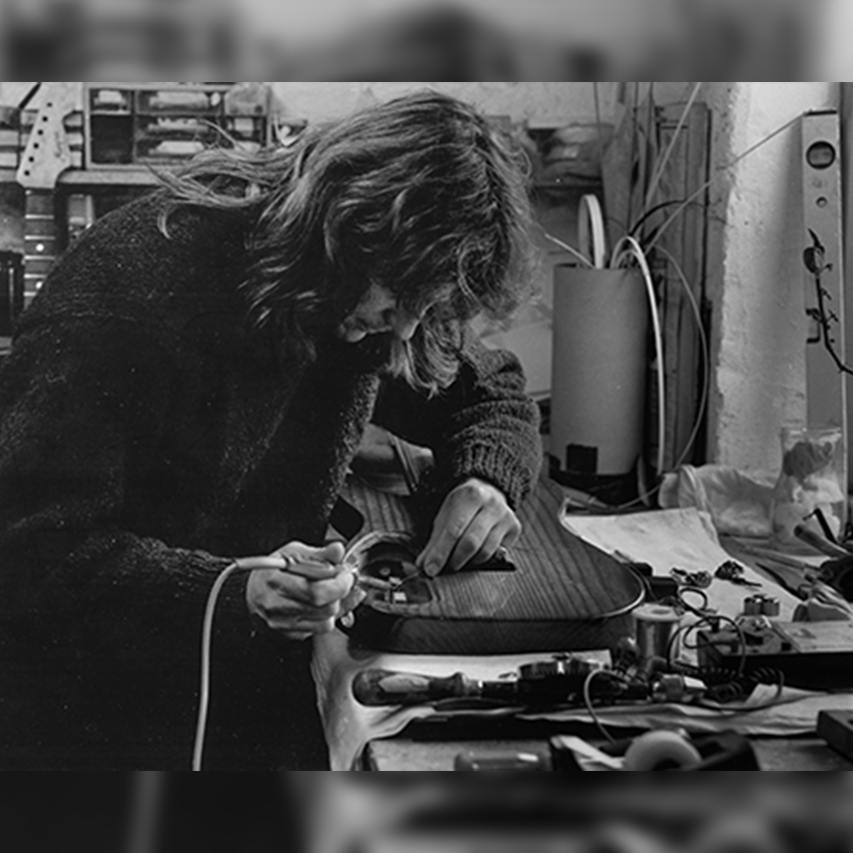
Shown in this photo is Hugh Manson wiring up a Classic T model made in his Devon workshops.
1980s
Brothers in Devon
The acoustic/electric divide between the two Manson brothers became further entrenched at this time, when Hugh and Andy both relocated to Devon and decided to feature totally independent workshop spaces — Hugh specialising solely in electric guitar and bass. The serial numbers that had been carefully recorded in a book up until the move preserved in detail the instruments that were produced from the former joint workshop.
The last entry in the serial number ‘bible’ shows 870310, a Manson Kestrel bass with Cocobolo top. After that Hugh was solo on electric guitars whilst Andy pursued his love of all things acoustic. The next entry shows number 940607, a mysterious E-Bass model. Production still continued between those dates but numbers weren’t recorded during this time. The 90s was to be another period of great change…
1990s
A New Partnership
In 1991, Adrian Ashton, a freshly qualified lawyer with a penchant for all things bass-related, quit his job and took off to Los Angeles to study at the world-renowned Bass Institute of Technology. During this time, the frustrations of trying to find a decent music shop that knew its saddles from its Sperzels saw him return to the UK to form a partnership with Hugh and colleague Jay Henson. In November 1992, Manson’s Guitar Shop was opened.
Formed with an ethos to offer the very best of advice and service in all things guitar, it combined Hugh’s luthier skills and guitar industry knowledge with Adrian’s bass guitar knowhow and legal expertise.
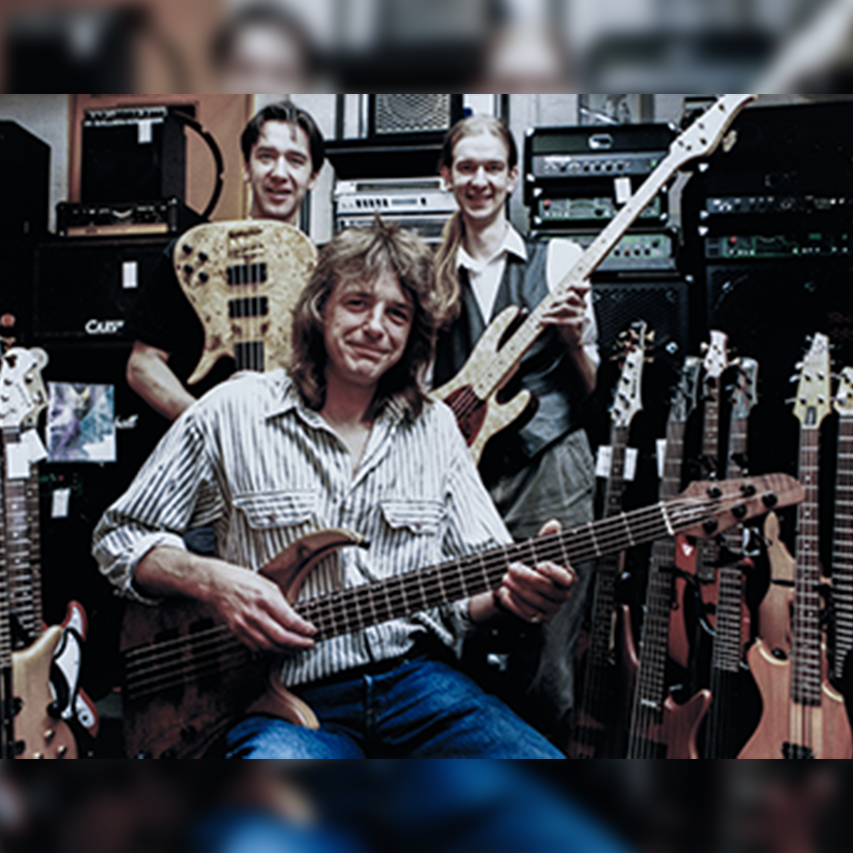
Shown in this photo is the original retail shop team of Hugh, Adrian, and Jay.
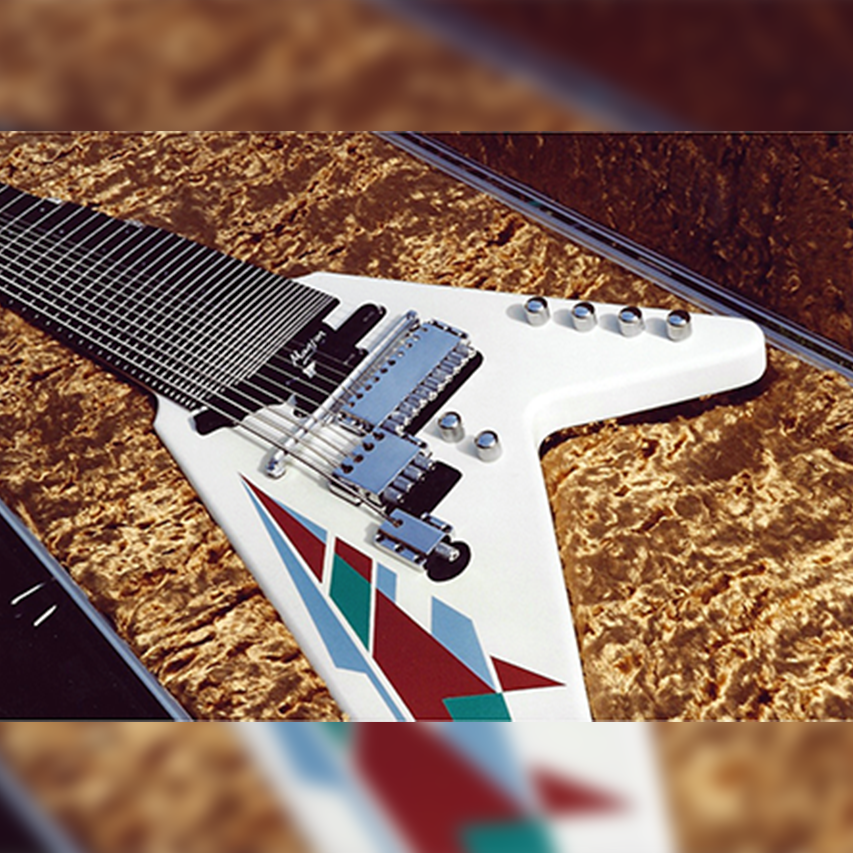
1990s
Legends in the Lane
Mansons Guitar Shop was trading successfully until a few years ago in a new larger building just a few hundred yards away from the old store. The original building was small and featured walls dating back to the 16th century, but the combined knowledge of the team overcame any shortcomings in space. Very soon, hundreds of customers were heading down the narrow cobbled lane to the now legendary premises. In less than a decade those names included John Paul Jones and Jimmy Page of Led Zeppelin, Matthew Bellamy of Muse, Noel Gallagher of Oasis, Hank Marvin, Joe Bonamassa, Tim Wheeler of Ash, Steve Howe of Yes/Asia, and dozens of other iconic guitar players.
Shown in this photo is one of our more flamboyant customs — a bass and extended guitar hybrid on a single fingerboard.
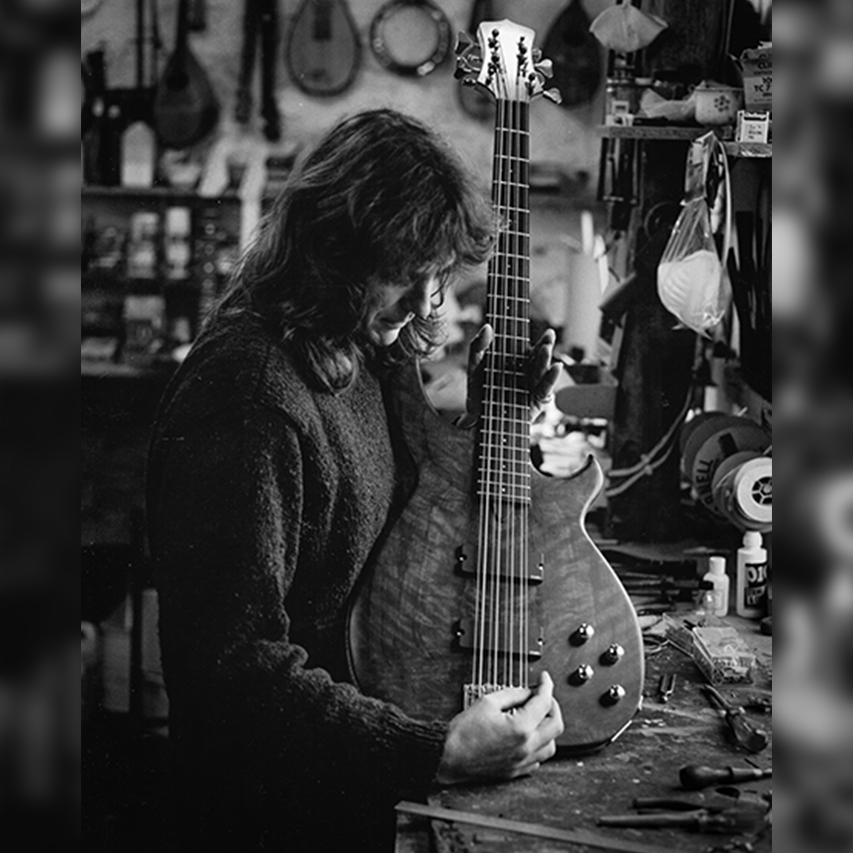
1990s
The E-Bass and Beyond
Also featured in this decade, the 8-string bass made for John Paul Jones during the Diamanda Galás tour. Around this time, Adrian asked Hugh to build him his third Manson bass and came up with the E-Bass design. Hugh refined those ideas into a one-off custom that soon caught the attention of John Paul Jones, already a multi-Manson owner.
The move from the old premises to the new premises saw a slowdown in custom production, yet in terms of creativity, Hugh and the team were just starting to warm up.
Shown in this photo is the 8-string bass created for John Paul Jones.
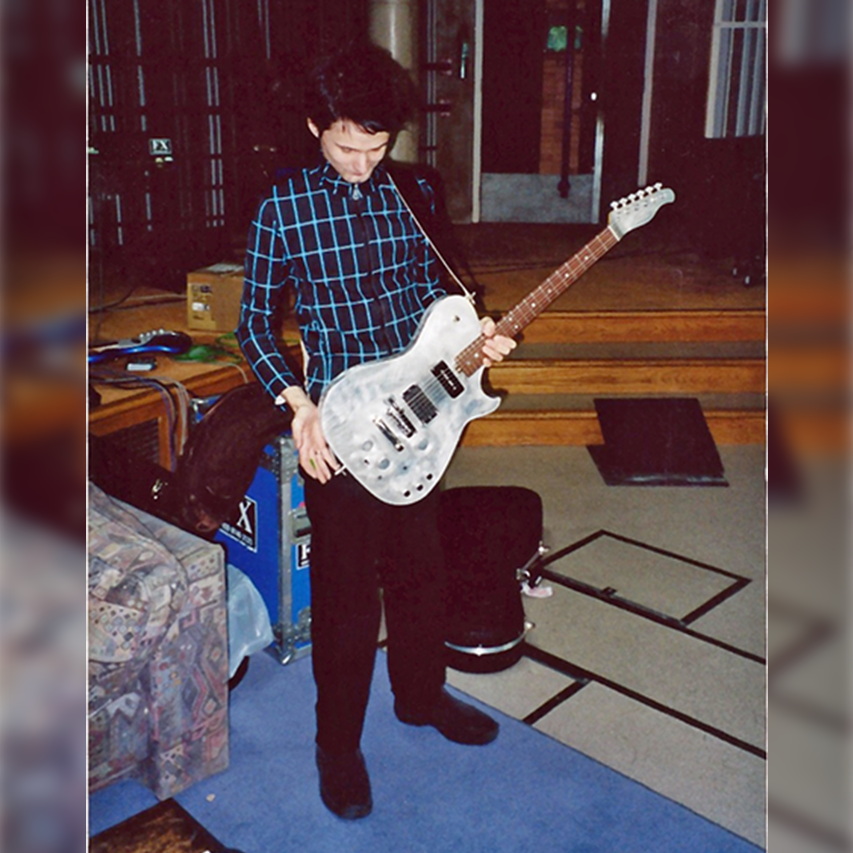
2000s
The De Lorean
When Mansons Guitar Shop moved into the new larger premises, the original ‘character’ building became free to relocate and develop Manson Guitar Works as a separate entity. One of the most important custom builds at this time was the Manson De Lorean, built for Matthew Bellamy from Muse. A unique instrument developed jointly by Hugh and Matt, it featured multiple unique circuits installed with the help of electronics genius Ron Joyce. The name of the guitar was derived from the aluminium finish used to coat both the guitar and the famous car made by De Lorean Motors, which featured in the Back To The Future films.
Shown in this photo, the guitar being presented to Matt for the first time at Real World Studios in Bath, and with Hugh outside the original Manson’s Guitar Shop premises in Exeter.
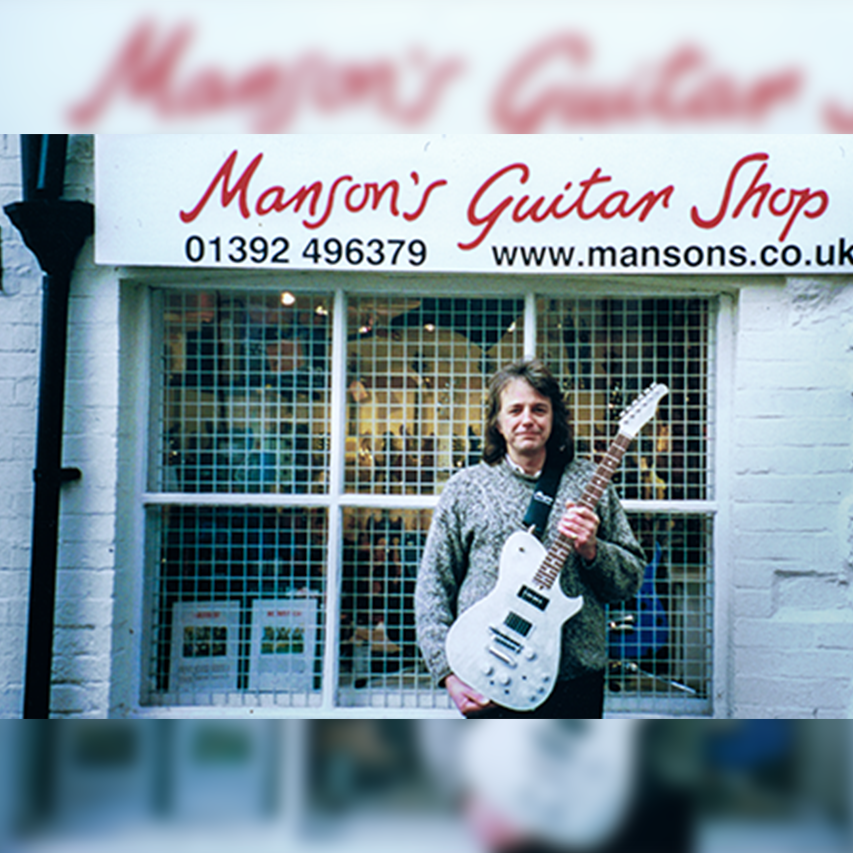
2000s
The MA and E-Series
Towards the end of the decade Adrian and Hugh decided to create Manson Guitar Works Ltd to remove any confusion between the retail store and the vastly expanding guitar manufacturing operation. Now joined by long-term Manson employee Tim Stark, the company could focus on a new range of guitars, the MA and E-Series.
Custom orders and Works guitars featuring our signature finishes such as aluminium swirls, mirror tops and sparkle finishes also became part of the core product range. Expansion of the official signature guitar models for Matt Bellamy of Muse to include our MB and DL variations joined the existing models.
2000s
A Growing Roster
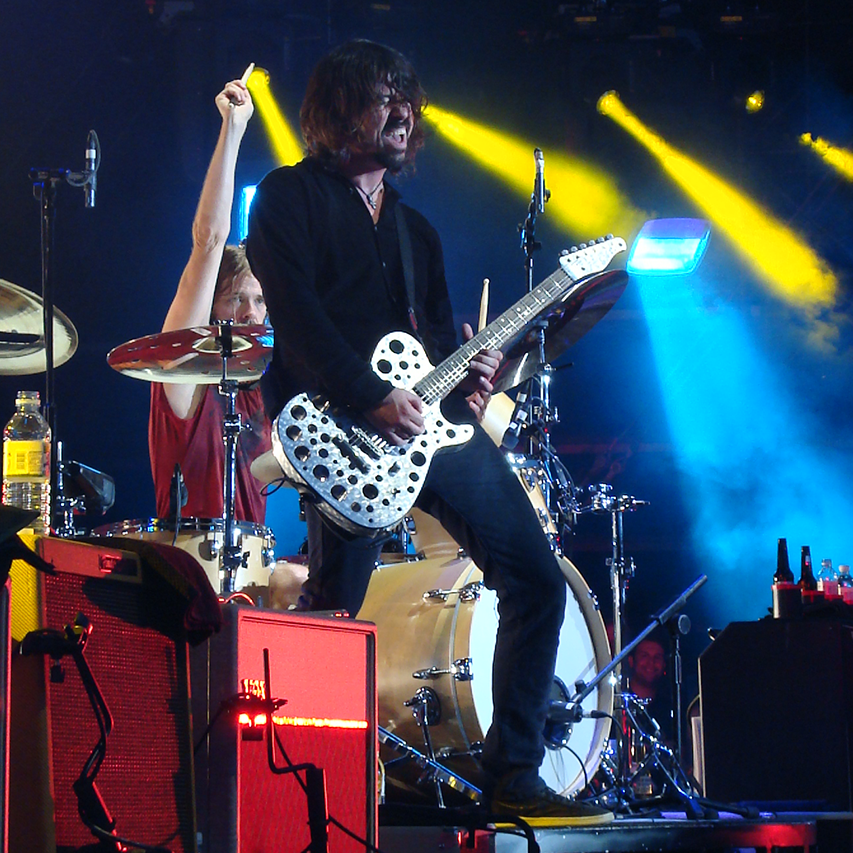
Our user list during this time continued to expand with players from every musical style. Dave Grohl, Nick Beggs (Steve Hackett), Baz Warne (The Stranglers), Noisemaker (Japan), Seasick Steve, James Leach (SikTh) and Simon Neil (Biffy Clyro) were just some of the artists enjoying Manson instruments.
This decade firmly established Manson Guitar Works as a builder with international recognition, with the MA and E-Series guitars becoming sought after worldwide, while one-off customs maintained the workshop’s reputation for innovation and individuality.
2010s
A New Standard
The most exciting decade in the history of Manson Guitar Works began during this period, although there was little indication of what lay ahead in 2010.
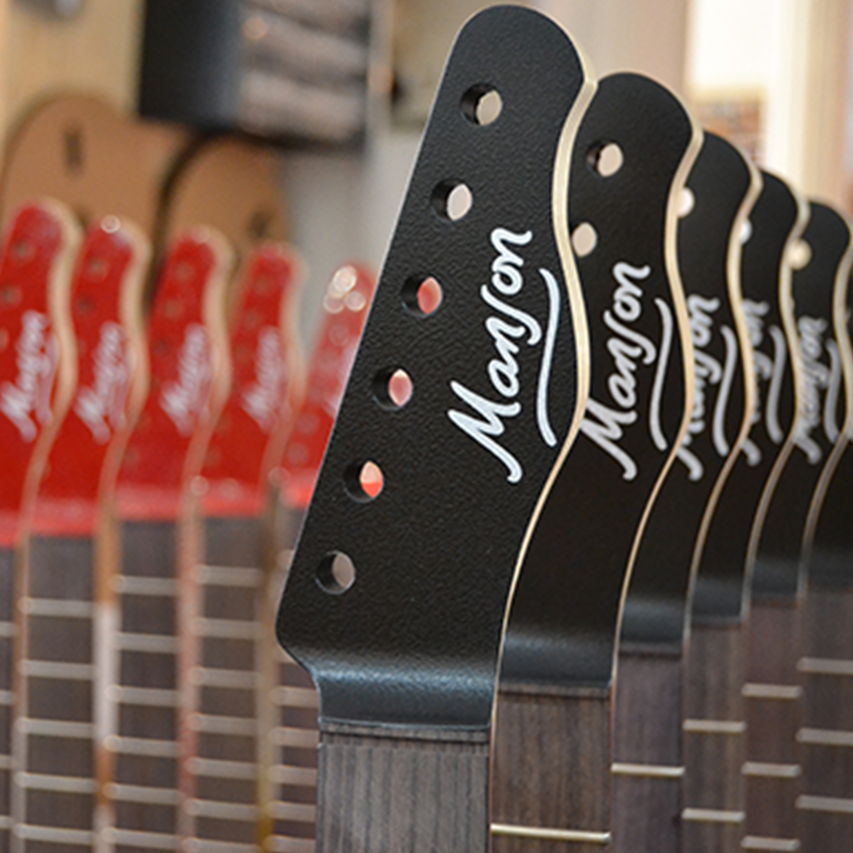
he Manson MA became the company's flagship production model, available in both Classic and EVO variants to suit traditional and modern players alike. Classic models featured scratchplates, front-routed construction and options such as Bigsby vibratos, while the EVO range embraced innovation with rear-routed bodies, Sustainiac systems, Z-Vex Fuzz Factory electronics and Manson's signature MIDI touchscreen technology.
The artist roster also expanded internationally, welcoming players including Daniela Villarreal (The Warning, Mexico), Sabrina Pedroso (France) and Robin Finck (USA).
2010
Innovation & Artist Models
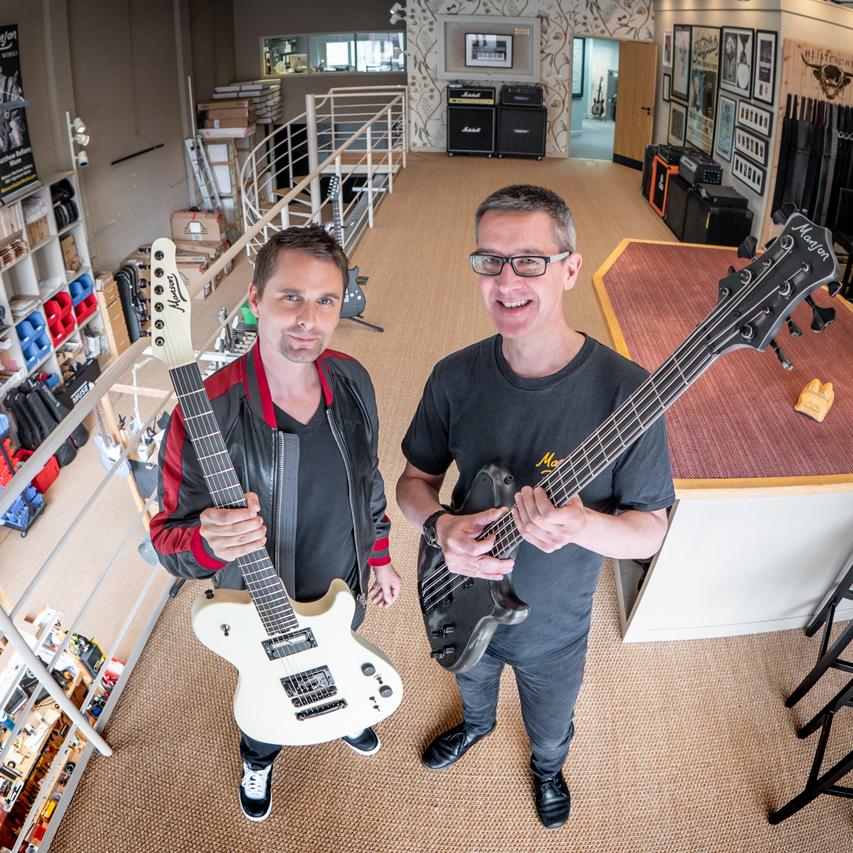
Throughout the decade, the MA platform evolved through three distinct generations while always retaining the unmistakable Manson body design. Alongside these refinements, a series of highly sought-after Matthew Bellamy signature instruments were released to widespread critical acclaim.
Limited editions such as the Black Knight, Red Santa and Red Alert introduced new combinations of Floyd Rose tremolos, Sustainiac systems and MIDI touchscreen technology, reflecting the continual innovation that defined the era.
Demand consistently exceeded supply, with every production run selling out before manufacturing had even begun, firmly establishing these models among the most desirable Manson guitars ever produced.
2010
Growth in Ashburton
The latter years of the decade marked two defining milestones for the company. The first was the move to significantly larger premises in Ashburton, Devon, allowing Manson Guitar Works to greatly expand its production capacity while strengthening its commitment to UK manufacturing.
For the first time, CNC machining, pickup production, finishing and paintwork could all be carried out in-house alongside the company's traditional hand-built craftsmanship.
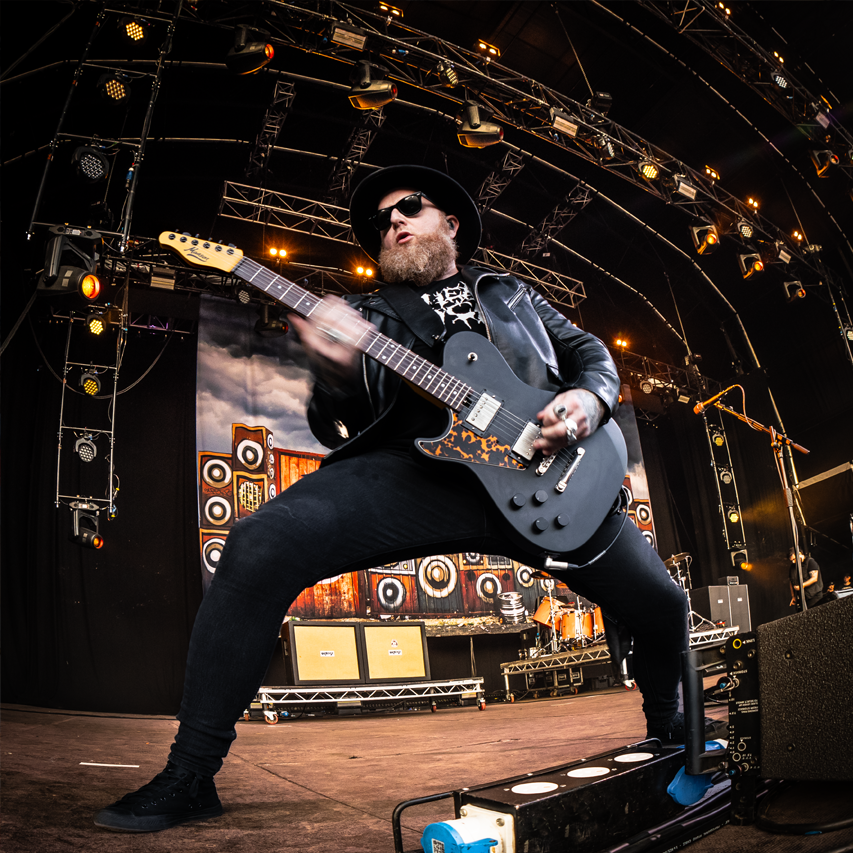
During this period, Mikey Demus of Skindred joined the exclusive roster of Manson signature artists, leading to the development of the player-inspired MD-1 and MD-2 models.
2010
A New Chapter
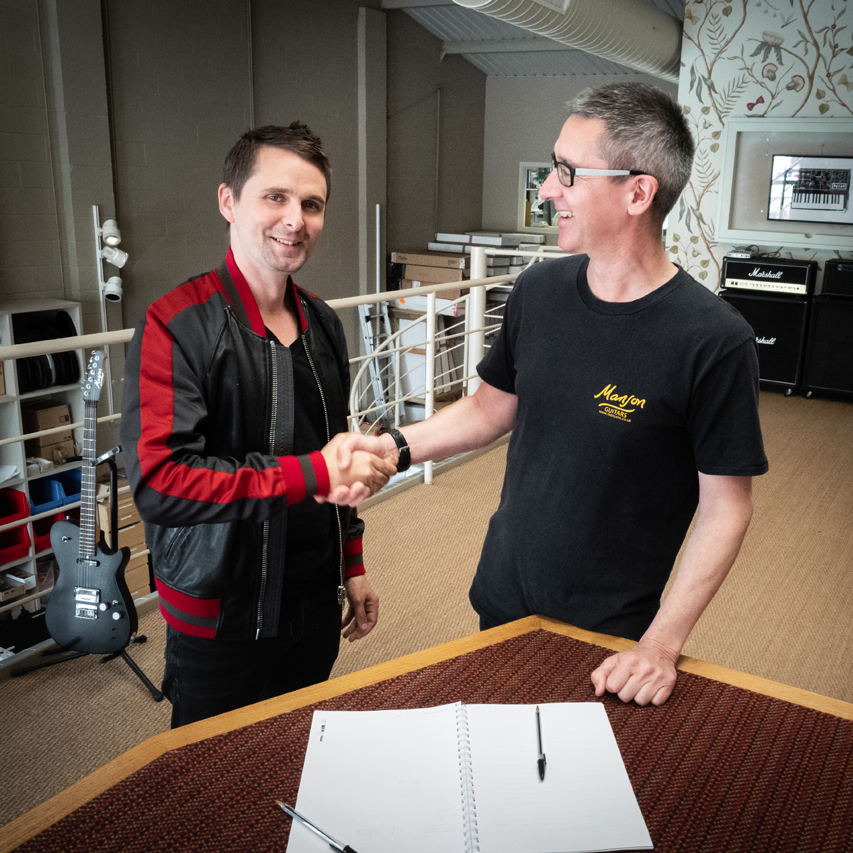
These developments did not go unnoticed by long-time Manson signature artist Matthew Bellamy. In June 2019, he acquired the majority shareholding in Manson Guitar Works from Hugh Manson, creating an exciting new partnership with Adrian Ashton to lead the company into its next chapter.
Despite the challenges presented by the Covid-19 pandemic, the newly structured business quickly delivered on its ambitions with the launch of the META Series MBM-1 in 2020.
Offering the unmistakable Manson experience at a more accessible price point, the model received widespread critical acclaim, multiple industry awards, and marked the beginning of an exciting new era for the brand.